2026-09-28 · Allison Brooks
Hardwood Flooring Installation and Louisville Pollen Season
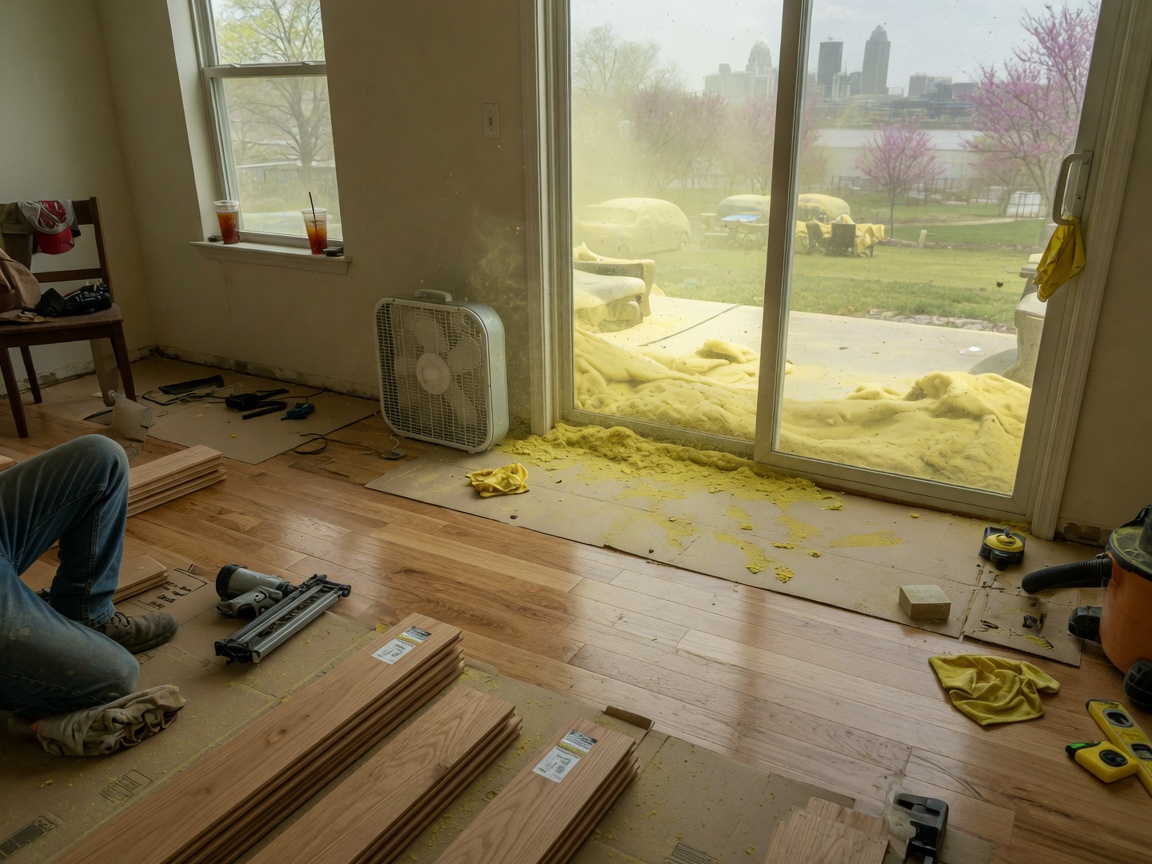
Spring pollen counts in Jefferson County often reach their highest levels from mid-March through May due to the humid subtropical climate, so scheduling hardwood flooring installation outside peak weeks minimizes airborne irritants settling on new materials and subfloors.
Timing Installation Around Pollen Peaks
Louisville experiences heavy tree pollen from oaks, maples, and hickories that coat surfaces across Downtown, The Highlands, and Germantown each spring. Installing hardwood during lower-count periods, such as late winter or early summer, reduces the chance of fine yellow dust embedding into unfinished boards or adhesive layers. Crews working in older homes in Old Louisville or Crescent Hill often run portable air scrubbers and seal off rooms more aggressively when counts exceed 100 grains per cubic meter. Mild winters allow year-round work, yet homeowners in St. Matthews and Clifton frequently choose April or October slots to avoid both high pollen and summer humidity spikes that can slow curing times. Checking local forecasts from the Falls of the Ohio area helps crews adjust start dates by a week or two when fronts bring fresh pollen loads. This approach keeps projects on schedule without extra cleaning passes after the fact.
Dust Control Practices in Humid Conditions
High humidity in Jefferson County during pollen season makes fine particles cling to surfaces longer, so hardwood flooring installation crews use negative-air machines and zippered containment barriers in every room. In slab homes common throughout Butchertown and Shawnee, moisture from the ground can combine with airborne pollen to create a sticky film that requires extra subfloor sanding before planks go down. Subfloor Repairs Before Hardwood Flooring Installation in Louisville outlines how crews inspect for these combined issues before proceeding. Daily HEPA vacuuming at the end of each shift prevents pollen from migrating into HVAC systems in Portland or Shawnee properties. Homeowners near Cave Hill Cemetery or Louisville Waterfront Park report fewer allergy flare-ups when installers run scrubbers continuously rather than only at the end of the day.
Material and Underlayment Choices
Engineered hardwood performs better than solid boards in Louisville's variable spring weather because its layered construction resists the minor expansion that high pollen-season humidity can trigger. Choosing the Right Underlayment for Louisville Slab Foundations explains how vapor-retardant membranes block both ground moisture and any residual allergens from reaching the new floor. Vinyl flooring installation serves as a practical alternative in high-traffic areas of Germantown or Clifton where frequent wet-mopping after installation removes tracked pollen more easily. Crews based at 10476 Bluegrass Pkwy stock underlayments rated for 3–5 lb moisture vapor emission rates, which handle the county's typical spring conditions without telegraphing through the planks.
Post-Installation Cleaning and Maintenance
Once hardwood flooring installation finishes, a final HEPA vacuum and damp mop removes any lingering pollen before furniture returns. Residents in The Highlands and St. Matthews often wait an extra day after completion to open windows, allowing the house to air out while outdoor counts drop. Linking to Refinishing Timeline After New Hardwood Flooring Installation in Louisville gives owners a clear schedule for when light foot traffic and regular cleaning can resume without damaging the finish. In nearby Elizabethtown or Lexington homes with similar pollen patterns, the same sequence prevents early dulling of the surface from embedded particles. Regular maintenance with pH-neutral cleaners keeps the floor looking new through subsequent allergy seasons.